
Understanding Casino Architecture
Casinos are meticulously crafted environments that aim to captivate patrons and encourage them to stay and play for prolonged periods. The layout of a casino is often open and inviting, with gaming machines and tables arranged in a way that allows for smooth circulation and easy access. This design minimizes any feelings of confinement, allowing players to transition effortlessly between games. Many visitors enjoy playing at establishments that offer options like neosurf casino , which can entice players to try their luck, further extending their time in the establishment.
One of the most notable features of casino architecture is the deliberate absence of windows and clocks. These design choices disorient players regarding the passage of time, creating an immersive gaming experience where individuals often lose track of how long they have been engaged in play. The ambient sounds of slot machines ringing and the chatter of fellow players contribute to an environment that feels alive and vibrant, making it easy for players to become engrossed in their activities for hours without realizing it.
The aesthetic elements of a casino are equally important in this design strategy. Vibrant colors, plush carpeting, and luxurious decorations create an atmosphere of excitement and indulgence. This sensory engagement is not only about visual appeal but also about evoking emotions that draw players deeper into the gaming experience. The overall ambiance fosters a sense of euphoria and connection, encouraging players to remain longer and engage more deeply with the games available.
The Psychology of Gambling
The psychology behind gambling is a complex interplay of human behavior, which casinos exploit to enhance their appeal. A fundamental aspect of this is the concept of variable rewards, where the unpredictability of winning keeps players motivated. This phenomenon, often referred to as the «gambling addiction cycle,» compels individuals to continue playing, driven by the hope of hitting a jackpot or achieving a life-changing win. The thrill of the unknown can become addictive, making it challenging for players to walk away.
Furthermore, many casinos implement loyalty programs and rewards systems that deepen this psychological engagement. These programs often allow players to accumulate points or receive exclusive benefits, creating an incentive to return and continue playing. The anticipation of rewards can significantly enhance the gaming experience, making players feel appreciated and more connected to the casino environment. This sense of belonging can lead to longer play sessions, as players seek to maximize their benefits.
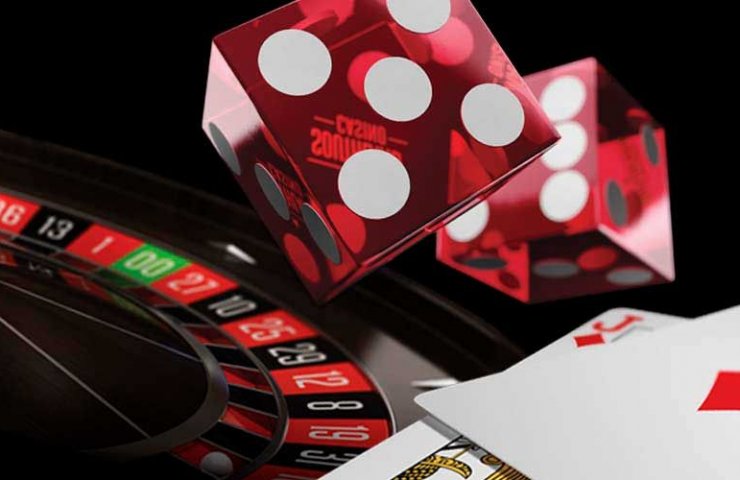
Understanding the emotional motivations behind gambling is crucial. For many, visiting a casino serves as an escape from reality or a means of relieving stress. The euphoric atmosphere, combined with social interactions, creates a space for individuals to momentarily forget their worries. This emotional investment often results in players extending their gaming sessions, as they become reluctant to leave an environment that provides joy and distraction from their everyday lives.
The Role of Game Design
The design of casino games significantly influences the duration of play, with each game meticulously crafted to engage players. For example, slot machines are equipped with stunning graphics, enticing themes, and immersive sound effects that lure players to continue playing. Many modern machines incorporate interactive features such as bonus rounds and free spins, enhancing the excitement and increasing the likelihood of players investing more time and money into them. The thrill of potentially winning something big keeps players returning for more spins.
Table games, like blackjack and roulette, are often designed to promote social interaction, which can lead to longer play times. The communal aspect of these games encourages conversation and camaraderie among players, fostering a lively atmosphere. Dealers are trained to engage with players, enhancing the overall experience and making it more enjoyable. The more players interact with each other and the staff, the more likely they are to remain at the table and continue playing.
Another essential feature in game design is the concept of «near-misses.» This occurs when players come close to winning but ultimately do not, creating a psychological effect that encourages them to keep playing. Near-misses can lead players to feel that success is just within reach, thereby motivating them to continue playing longer than they might have intended. This phenomenon reinforces the belief that a win is attainable, further entrenching players in their gaming experience.
The Impact of Incentives and Promotions
Incentives and promotions play a vital role in the strategies casinos use to encourage longer play times. Many casinos offer attractive bonuses, such as welcome packages, free play credits, or match promotions, designed to attract new players and keep existing ones engaged. These promotions create a sense of urgency, prompting players to participate more frequently to fully utilize the offers available. The excitement surrounding these incentives can lead to increased gaming sessions, as players rush to take advantage of the enticing deals.
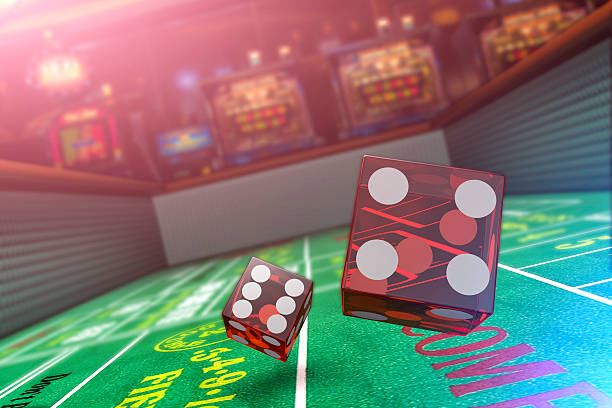
Additionally, casinos often host special events and tournaments to draw crowds and keep players engaged for extended periods. These competitive events generate excitement and camaraderie among participants, encouraging them to showcase their skills and vie for prizes. The social aspect of tournaments not only enhances the thrill of the competition but also fosters a sense of community, which can lead to players spending more time at the casino in pursuit of both fun and potential winnings.
Personalized promotions based on a player’s gaming history further enhance loyalty and engagement. Casinos utilize advanced data analysis to tailor offers specifically to each individual’s preferences and play habits. This customization makes players feel recognized and valued, increasing the likelihood that they will return and spend more time playing their favorite games. Such personalized experiences create a deeper connection between players and the casino, ultimately extending their overall time spent in the establishment.
Conclusion: The Casino Experience
In conclusion, casinos are indeed crafted with numerous factors in mind to keep players engaged and playing longer. The interplay of architecture, psychological strategies, game design, and incentive structures all collaborate to create an environment that is not only entertaining but also profoundly immersive. This intentional design encourages patrons to lose track of time and remain within the casino’s walls, enhancing both their enjoyment and the establishment’s profitability.
Recognizing these elements can provide valuable insights for players, enabling them to understand the tactics employed and make informed decisions regarding their gambling habits. While casinos strive to create enjoyable experiences, it is crucial for players to remain mindful of their time and spending, ensuring a balanced and responsible approach to gaming.
Ultimately, the unique atmosphere and engagement opportunities provided by casinos are designed to create lasting impressions, rendering the casino experience unforgettable. Whether you are a casual visitor or a seasoned gambler, the design of these establishments significantly influences your time spent within, reminding us that each visit contributes to a larger narrative in the realm of entertainment and gaming.